

Choosing the right running shoes is crucial for beginners as they provide essential support, cushioning, and stability during runs. Unlike regular sneakers, running shoes are specifically designed to accommodate the unique mechanics of running, helping to absorb impact and reduce the risk of injuries. Proper footwear can enhance comfort, helping new runners to focus on their form and distance rather than discomfort or pain. Additionally, finding a shoe that fits well and caters to individual foot type (such as neutral, overpronation, or underpronation) can significantly enhance the overall running experience, allowing newcomers to enjoy their journey and build confidence in their abilities. Investing in a quality pair of running shoes is not just about performance; it’s about ensuring a safe and enjoyable start to a lifelong habit.
Understanding Different Running Shoes For Beginners

When selecting running shoes, it’s essential to understand the three primary categories: neutral shoe, stability shoe, and motion control shoe. Each type is designed to cater to specific foot types and running styles, ensuring the best possible support and comfort during runs.
Neutral Shoe: These are ideal for runners with a neutral gait or those who mostly land on the outer edge of the foot and roll slightly inward. Neutral shoes provide adequate cushioning and flexibility, promoting a natural motion and a more natural running feel. They are perfect for runners seeking a lightweight option that encourages speed while maintaining comfort.
Stability Shoe: For runners who experience mild overpronation—where the foot rolls inward more than ideal—stability shoes offer extra support. They feature a firmer midsole that helps to guide the foot and reduce excessive rolling, providing the balance between cushioning and necessary support to keep the foot stable during a run.
Motion Control Shoe: Designed for runners with moderate to severe overpronation, motion control shoes are built with additional structure to curb foot roll. These shoes incorporate features like a wide base and stiffer midsole to deliver maximum support, making them ideal for runners who need enhanced stability to prevent injuries.
Key Features Of Beginner-Friendly Running Shoes
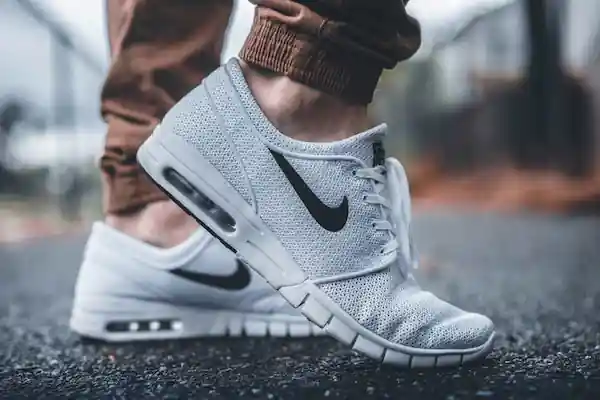
When choosing running shoes as a beginner, several key features are essential to ensure a comfortable and supportive experience.
Good Cushioning: Ample cushioning is critical for new runners, as it helps absorb the impact of each stride, reducing stress on joints and minimizing the risk of injuries. A well-cushioned shoe can significantly enhance comfort, encouraging longer and more enjoyable runs without discomfort.
Arch Support: Proper arch support is vital for maintaining the natural alignment of the foot, particularly for those with varying foot shapes and arch types. This feature helps to distribute pressure evenly across the foot, providing stability and preventing fatigue, which is especially important during extended running sessions.
Wide Platform: A wide platform contributes to a stable ride, ensuring that the foot remains balanced and secure throughout the running motion. This is beneficial not only for comfort but also for confidence, allowing beginners to focus on their running form without worrying about instability or slipping.
Exploring Heel To Toe Drop:
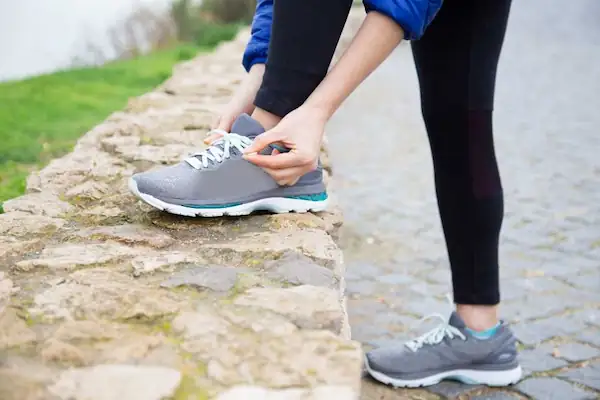
Heel to toe drop, also known simply as drop, refers to the difference in height between the heel and the forefoot of the shoe. It is measured in millimeters, and understanding this feature is vital for beginners, as it can significantly influence running form and comfort. For those who are heel strikers—runners who primarily land on their heels—shoes with a higher drop (typically 10mm or more) can offer more cushioning and stability, allowing for a smoother experience during their runs. This drop can help absorb impact and reduce the strain on the Achilles tendon, making it a suitable choice for novice heel strikers who may be adapting to regular running.
On the other hand, a lower heel to toe drop (around 4mm or less) encourages a more natural foot motion and may benefit midfoot or forefoot strikers by promoting a more efficient gait. Choosing the right heel to toe drop, along with max cushion, ensures smoother transitions from heel to toe, enhancing overall comfort and performance. Beginners should consider their running style, foot strike pattern, and personal preference when selecting the appropriate drop and cushioning, as this can lead to a more enjoyable running experience and help lay the foundation for a lasting running routine.
Best Running Shoes For Beginners
When it comes to selecting the ideal pair of running shoes for beginners, a few standout options consistently receive high praise from both novices and seasoned runners alike. Here are some of the top choices:
New Balance Fresh Foam 1080
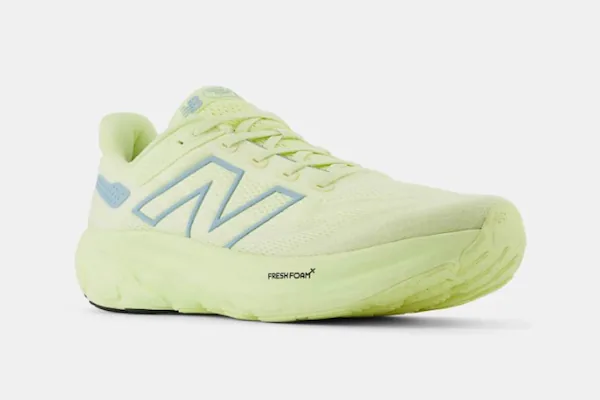
The New Balance Fresh Foam 1080, one of the best running shoes, is lauded for its plush cushioning and smooth ride, making it a perfect choice for beginners. The shoe’s Fresh Foam midsole technology provides exceptional comfort and support, allowing new runners to enjoy longer runs without discomfort. Its breathable upper ensures a snug fit, promoting stability during each stride.
Brooks Ghost 14
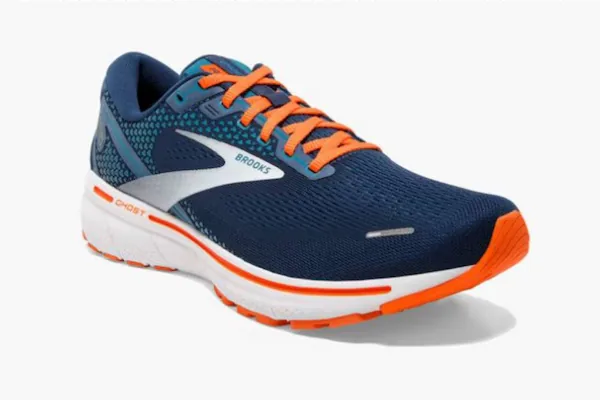
The Brooks Ghost 14 running shoe is well-known as the right shoe for its balanced cushioning and versatility. With a soft and responsive midsole, this running shoe adapts well to various running styles, whether on pavement or trails. It features a streamlined design and ample room in the toe box, allowing for comfort during those extended runs while providing reliable support to prevent injuries.
Nike Pegasus EasyOn Blueprint
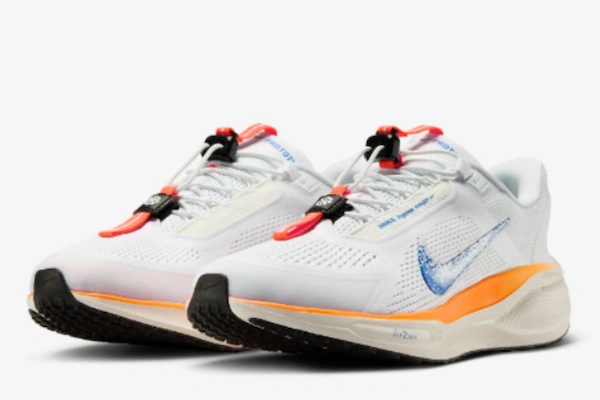
The Nike Pegasus EasyOn Blueprint, one of the best running shoes for beginners, offers a lightweight feel and a comfortable fit. Its cushioned foam midsole provides ample shock absorption, while the breathable mesh upper offers ventilation to keep feet cool and dry during runs. Additionally, its easy-on design with a Velcro strap makes it perfect for those just starting their running journey.
Hoka One One Clifton 9
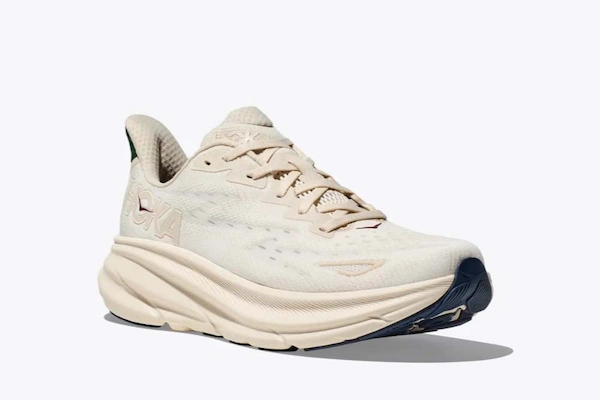
The Hoka One One Clifton 9 running shoe is a good pair that features a generous cushioning system, offering an incredibly airy and comfortable ride. Its signature meta-rocker technology aids in smooth transitions from heel to toe, promoting an efficient running gait. This shoe is perfect for beginners looking for maximal cushioning without the weight, making each run feel effortless.
Trail Running Shoes VS Road Running Shoes
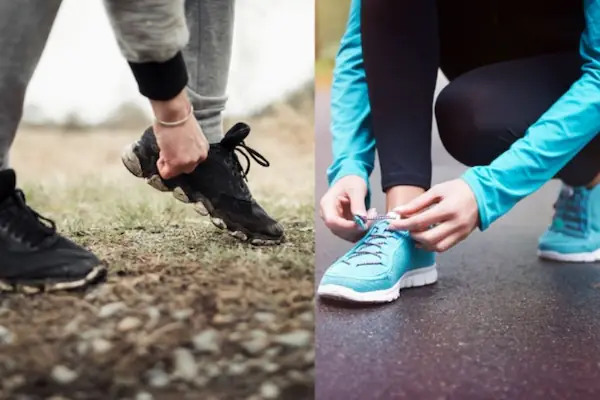
When navigating the world of running footwear, understanding the differences between trail running shoes and road running shoes is essential for optimizing performance based on your environment. Trail running shoes are specifically designed for uneven terrain and off-road conditions, often coming in heavier shoes compared to road running options. They typically feature a rugged rubber outsole that provides superior traction on slippery or rocky surfaces, ensuring stability and grip. Additionally, trail shoes often have reinforced toe caps and extra cushioning to protect the feet from sharp objects and provide support on uneven ground, facilitating a better toe-off during your stride.
In contrast, road running shoes are built for paved surfaces and regular training, allowing you to put your best foot forward. These shoes generally have a smoother outsole with softer rubber to deliver a comfortable ride on hard surfaces. They focus on lightweight construction and responsive cushioning, allowing for faster-paced running. While road shoes may offer some support and stability, they typically lack the aggressive traction found in trail shoes, making them less suited for off-road adventures. Ultimately, selecting the appropriate type of shoe according to your running environment can enhance your overall experience and reduce the risk of injury.
Choosing The Best Shoe For Your Foot Type
When selecting running shoes, it’s crucial to consider your foot type, particularly if you have narrow or wide feet. For individuals with narrow feet, it’s essential to look for shoes that offer a snug fit around the midfoot and heel to prevent excess movement. Brands like Nike and Brooks often provide options that cater to narrower foot shapes, ensuring that the shoe offers adequate support without being overly loose. A good fit in these areas helps improve overall stability and comfort during runs.
Conversely, those with wide feet should focus on models explicitly marked as “wide” or “extra wide.” These shoes, among the best running shoes, typically have a roomier toe box, allowing for natural toe splay, which is vital for comfort and performance. Space is essential not only for comfort but also to prevent blisters, ankle pain, and other foot-related issues. Look for shoes with adjustable lacing systems that can accommodate a broader foot width.
In addition to width, a spacious toe box is equally important regardless of foot type. This feature allows your toes to move freely; restricted toes can lead to discomfort and pain during longer runs. Additionally, you should seek shoes that have an ankle collar designed to provide a plush feel underfoot, offering cushioning that enhances the running experience while providing support around the ankle. By considering these aspects, runners can find shoes that best suit their specific needs, enhancing both performance and enjoyment on the road or trails.
Budget Running Shoes For Beginners
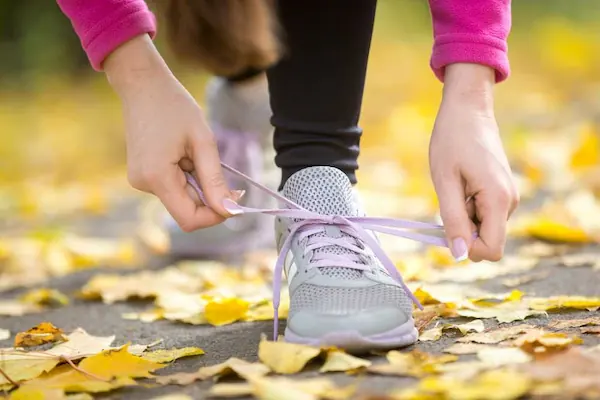
Finding a suitable pair of running shoes on a budget doesn’t mean you have to sacrifice quality or comfort. There are several budget-friendly options available that offer a good balance between price and performance, making them ideal for beginners looking to start their running journey. When searching for a budget running shoe, focus on models that provide essential features such as adequate cushioning, support, and durability, ensuring you’re not compromising on your needs.
To identify the best budget options, consider brands that are known for their reliability and value, such as ASICS, Saucony, and Adidas. Look for reviews or recommendations specifically highlighting comfort, fit, and performance to guide your decision. Checking for clearance sales or discounts can also help you find quality shoes at reduced prices. Additionally, make sure to visit local running stores, as they often have knowledgeable staff who can assist in finding the perfect pair that meets your budgetary constraints without skimping on the essential features crucial for a pleasant running experience. Don’t forget to check out the running store for expert advice and personalized recommendations!
Considering A Versatile Shoe For Different Runs
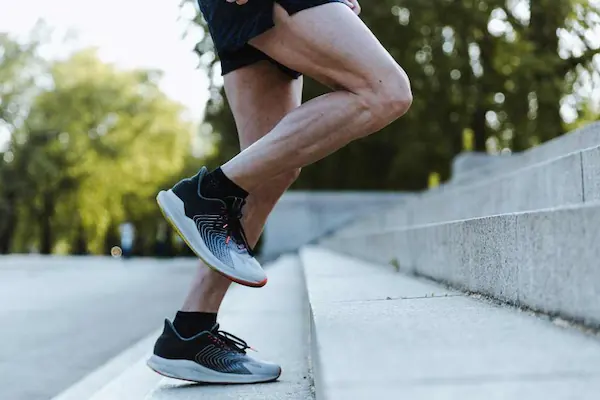
For new runners, investing in a versatile stability shoe that can handle both long distances and recovery runs is essential. A shoe designed for varying conditions helps maintain comfort and performance during diverse workouts, whether you’re gearing up for a rigorous long run or opting for a light recovery session. Versatility in running shoes allows for greater adaptability, meaning that you can seamlessly switch between different types of runs without the need for different shoes.
The benefits of choosing a shoe that adapts to different running conditions include improved efficiency and reduced risk of injury. A well-cushioned and supportive shoe provides the necessary comfort for endurance runs while maintaining the responsiveness required for shorter, lighter workouts. Moreover, having a single pair that can perform well across different environments simplifies the decision-making process for beginners, enabling a more focused approach to training. This adaptability not only enhances your running experience but also fosters consistency in your training routine, laying a solid foundation for future progress.
Why Shoe Size And Fit Matter

Selecting the correct running shoe size and ensuring a comfortable fit is paramount for any new runner. An ill-fitting shoe can lead to a host of problems, including blisters, calluses, and even more serious injuries. It’s crucial to measure your feet regularly, as foot size can change over time due to factors such as age, weight fluctuation, or prolonged activity.
One key tip is to leave a thumb’s width of space near the big toe. This allowance ensures that your toes have enough room to move without feeling cramped, particularly during downhill runs when the foot naturally shifts forward in the shoe. Additionally, a proper fit means the heel should be secure without excessive slipping, providing the necessary support for each step. When trying on shoes, ensure you wear the same type of socks you plan to run in and walk around in them to test for comfort and fit. By prioritising size and fit, you can enhance your running experience and minimise the risk of discomfort and injury.
The Best Shoe For Long Runs and Hot Weather
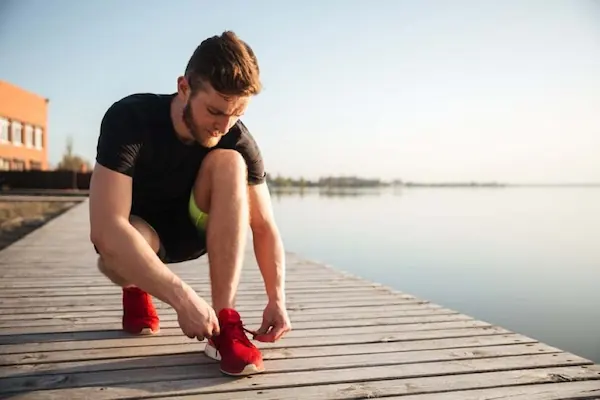
When it comes to long runs, particularly in hot weather, selecting the best shoes with the right characteristics can make a significant difference in comfort and performance. One of the most critical factors to consider is breathability. Shoes made from lightweight, mesh materials or featuring a knit upper allow for optimal airflow, helping to keep your feet cool and dry. This not only enhances comfort during extended periods of running but also reduces the risk of blisters and overheating, which can detract from your overall experience.
In addition to breathability, a lightweight feel is essential for long-distance running. Shoes that are too heavy can cause fatigue over time, making it difficult to maintain your desired pace. Look for models that use advanced materials, such as foam midsoles or lightweight synthetic uppers, which provide good cushioning without the added bulk. A well-cushioned shoe that offers both support and responsiveness will help absorb impact while minimising weight, allowing you to cover longer distances with ease. Thus, prioritising breathable materials and a lightweight design will significantly improve your running experience, especially on hot days.
Exploring Racing Shoes And Zero Drop Options
Racing shoes are specifically designed for speed and performance, prioritizing lightweight materials and a streamlined profile. Unlike everyday training shoes, they often feature minimal cushioning and a more responsive feel, which allows for quicker transitions and greater acceleration. Additionally, racing shoes tend to have a lower stack height, facilitating a more natural running motion and providing better ground feedback during races.
Differences From Everyday Training Shoes
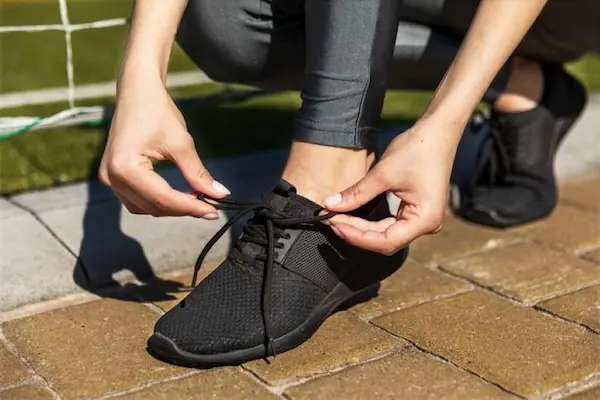
Training shoes prioritize comfort, support, and durability for everyday use, while racing shoes are designed to be lightweight and enhance speed. Typically, training shoes offer extra cushioning and support features, making them suitable for narrow feet, whereas racing shoes might sacrifice a bit of comfort to achieve better performance.
Discussion On Zero Drop Shoes
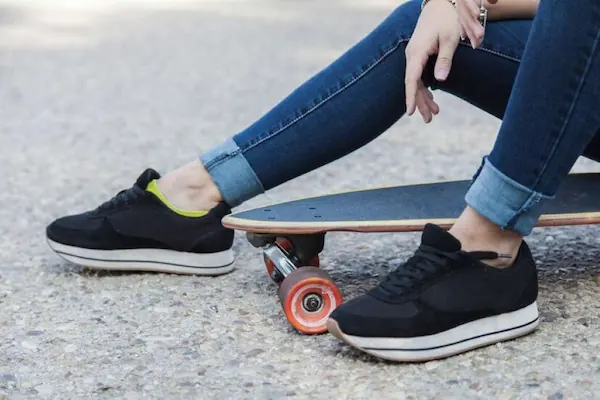
Zero drop shoes feature an equal height from heel to toe, promoting a more natural posture and gait during running. This design encourages proper alignment of the foot and body, potentially reducing the risk of injury, especially for those who land midfoot or forefoot. Additionally, their minimalistic design enhances the connection with the ground, improving proprioception and stability. Compared to other shoes, zero drop options provide an excellent balance of performance and comfort for runners looking to transition to a more natural running experience.
Caring For Your New Pair Of Running Shoes
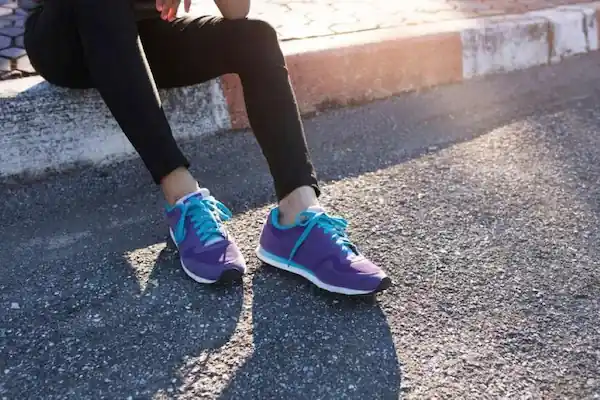
To maintain your new shoes and extend their lifespan, consider the following tips:
Clean Regularly:
To keep your running shoes in tip-top shape, make it a habit to remove dirt and mud after each run. Utilize a damp cloth to gently wipe down the shoes, ensuring you reach all the nooks and crannies. After cleaning, let them air dry naturally, avoiding direct heat sources like radiators or sunlight, which can warp the materials.
Avoid Excessive Moisture:
Running in wet conditions can take a toll on your shoes, so after your run, stuff them with crumpled newspaper or paper towels to soak up excess moisture effectively. It’s crucial never to place your shoes in the dryer, as the high heat can cause significant damage to both the outer fabric and the inner cushioning, shortening their lifespan.
Use A Rotation System:
If you’re serious about maintaining your running shoes, consider rotating between two pairs. This strategy allows each pair to rest and recover, reducing wear and tear and extending their overall lifespan. By giving your shoes time to decompress and air out, you can ensure optimal support and comfort on your runs.
Store Properly:
Proper storage is key to prolonging the life of your running shoes. Make sure to keep them in a cool, dry place where they won’t be exposed to prolonged sunlight, which can lead to fading and material deterioration. A shoe rack or a designated box can help keep them organized and protected.
Inspect Regularly:
Regularly inspecting your shoes for signs of wear is critical, especially for a beginner runner. Look for worn-out soles, frayed laces, or any deformities in the shoe shape. Address any issues you find promptly to prevent further damage, as small problems can escalate quickly if left unattended. This proactive approach helps ensure that your shoes continue to provide the support and comfort you need for your runs.
When To Replace Your New Pair
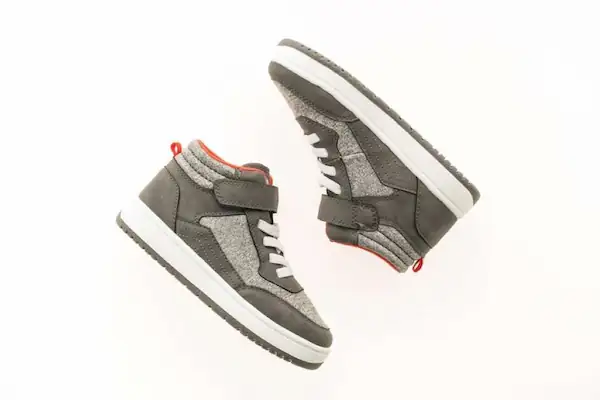
To prevent running injuries, consider replacing your running shoes when:
Mileage Milestones:
It’s generally recommended to replace most running shoes after 300 to 500 miles of use. This range can vary based on the specific type of shoe you have and your unique running style, as heavier runners or those who run on harsher surfaces may need to consider replacements sooner.
Visible Wear:
When assessing your shoes, keep an eye out for worn-out tread on the soles. If you notice significant creases in the upper material or any changes in the overall shape of the shoe, these issues can compromise the fit and support, making it crucial to evaluate whether it’s time for a new runner.
Loss of Cushioning:
A clear sign that your shoes might need replacing is if you start to feel an increased impact on your joints during runs. Additionally, if your footwear no longer feels as responsive and cushioned as it once did, this can significantly affect your performance and comfort levels while running.
Increased Discomfort:
If you’re experiencing new aches or pains during or after your runs, this can be a strong indicator that your shoes are no longer providing the necessary support and cushioning. It’s essential to listen to your body; persistent discomfort is a sign that investing in a new runner might be beneficial for your overall running experience and injury prevention.
Conclusion:
Choosing the right running shoe is a crucial step in your running journey, whether you’re a beginner or an experienced runner. We’ve covered the key factors to consider, from understanding different shoe types and their specific benefits to the importance of fit, cushioning, and stability. Your perfect running shoe should cater to your unique foot type, running style, and the specific environments you’ll be running in, whether that’s on trails, roads, or tracks.
Remember, the best way to find your ideal shoe is to try on different options and see what feels best for you. Pay attention to how each shoe feels on your feet! Visiting a running store for personalized recommendations is highly encouraged, as the experts can help you find a shoe that provides the right balance of comfort, support, and performance. With the right pair, you’ll be well-equipped to enjoy your runs and stay motivated as you build your running routine.