

High quality clothing brands are essential in the fashion industry, offering consumers garments that showcase superior craftsmanship while ensuring longevity and performance. Investing in high-quality clothing is crucial, as these pieces not only elevate personal style but also help mitigate the environmental impact of fast fashion. As trends evolve and consumer awareness increases, the demand for brands prioritizing quality over quantity continues to grow.
By selecting high-quality materials and adopting ethical manufacturing practices, these brands contribute to a sustainable fashion ecosystem, making them increasingly relevant in today’s conscious consumer market. More than ever, discerning shoppers seek clothing that embodies both style and substance, positioning high-quality brands at the forefront of this movement.
What Defines High Quality in Clothing?
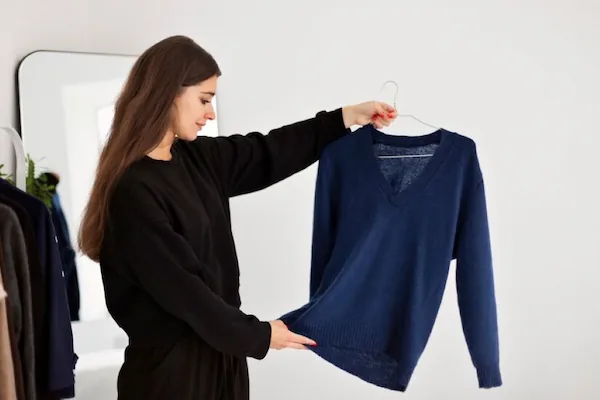
High-quality clothing is distinguished by several key factors that set it apart from lower-quality options. First, the use of premium materials is essential; these garments are often made from natural fibers like cotton, wool, silk, and linen, which feel luxurious against the skin and provide durability and breathability.
Impeccable craftsmanship and attention to detail are essential in defining high-quality clothing. This includes techniques like double stitching, reinforced seams, and neat finishes. High-quality garments often have thoughtful design elements, such as well-placed pockets and appropriate linings, ensuring each item looks great and lasts over time. In essence, high-quality clothing combines superior materials and expert craftsmanship, resulting in stylish and enduring pieces.
Key Characteristics of Quality Clothing Brands:
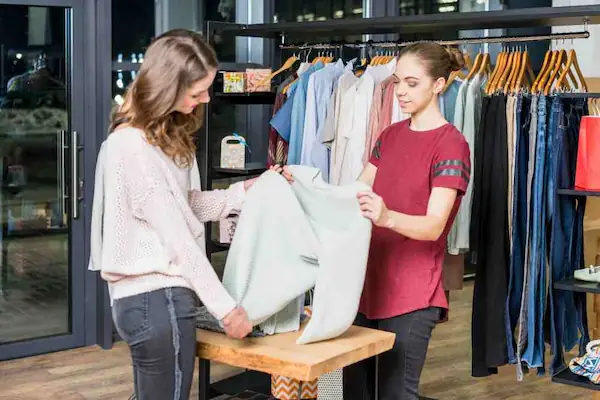
High-quality clothing brands embody timeless style, offering classic pieces that stay relevant season after season. Instead of chasing fleeting trends, these brands create versatile garments that seamlessly fit into any wardrobe. A diverse range of fashion options is essential, catering to various tastes and lifestyles, ensuring customers find styles that reflect their identities. This focus on classic aesthetics helps quality brands build lasting relationships with consumers, as shoppers often return to trusted names for enduring pieces. Additionally, their curated collections combine elegance and practicality, meeting modern consumers’ desire for both functionality and sophistication in their clothing.
The Role of High-Quality Fabrics in Fashion:
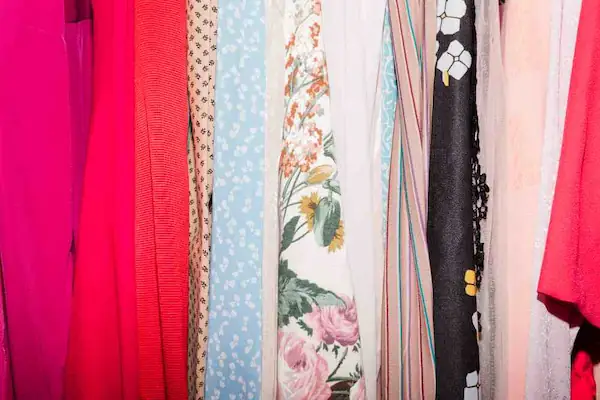
The choice of fabric plays a crucial role in the quality and sustainability of clothing, especially when it comes to high quality basics. Natural fabrics like organic cotton, linen, wool, and silk offer unique benefits that synthetic options often lack. These materials are biodegradable, environmentally friendly, and provide better breathability and moisture-wicking properties for enhanced comfort. They also contribute less to microfiber pollution compared to synthetics like polyester and nylon.
Recently, the fashion industry has shifted focus toward sustainability, leading to greater use of recycled materials in sustainable clothing. Brands are innovating by repurposing waste and using fibers produced through eco-friendly processes. For instance, recycled polyester made from plastic bottles helps reduce waste while maintaining high-quality garments. By adopting these sustainable practices, clothing brands foster a more ethical fashion ecosystem and appeal to consumers who are increasingly mindful of their purchasing choices and their environmental impact.
Sustainable Fashion:
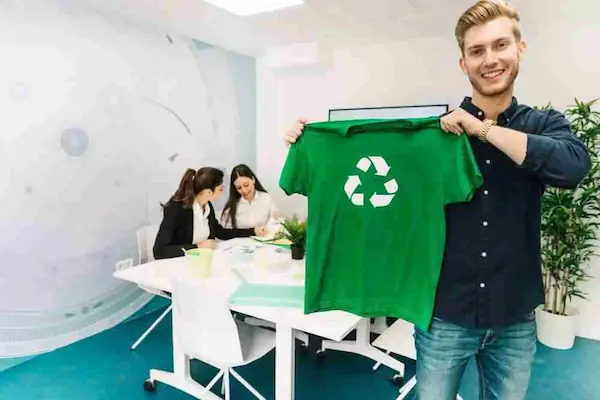
Sustainable fashion has emerged as a pivotal trend in the global apparel industry, driven by a growing awareness of the environmental and ethical concerns associated with fast fashion. As consumers become more conscious of their choices, many seek out brands that prioritize ethical production practices, transparency, and social responsibility. Sustainable clothing brands are leading the way by implementing eco-friendly methods throughout their manufacturing processes, from sourcing organic materials to ensuring fair wages and safe working conditions for their workers.
These brands not only focus on minimizing waste and pollution but also emphasize the importance of creating timeless, versatile pieces that encourage consumers to buy less and value quality over quantity while also teaching them to assess quality. By fostering a deeper connection between consumers and their clothing, sustainable fashion promotes a more thoughtful approach to consumption, empowering individuals to make choices that reflect their values and support a healthier planet. As this movement continues to gain traction, innovative brands are setting new standards for accountability and stewardship in the fashion world, paving the way for a more sustainable future.
Investing in High-Quality Pieces:
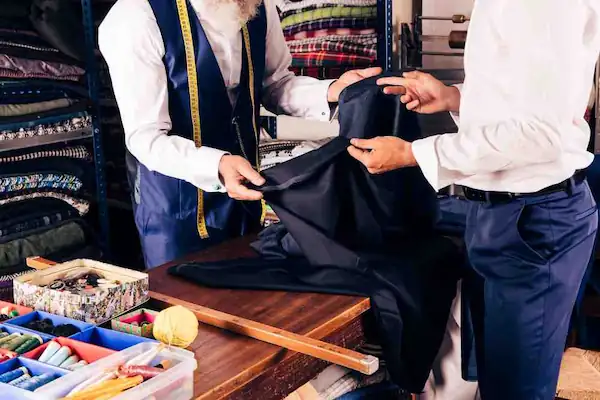
Investing in high-quality pieces is essential for cultivating a stylish wardrobe that transcends fleeting fashion trends. Timeless style not only elevates personal aesthetics but also ensures that each piece remains relevant over the years, forming the foundation of a versatile wardrobe. Wardrobe essentials—think classic white shirts, tailored blazers, and well-fitting jeans—serve as the building blocks for countless outfits, allowing for effortless mixing and matching.
Wardrobe staples, such as a little black dress, a quality leather jacket, or comfortable yet chic footwear, are investments that yield significant returns, as their enduring appeal means they can be worn season after season. By prioritizing high-quality craftsmanship in these cornerstone garments, individuals can create a sophisticated wardrobe that reflects their personal style while promoting sustainability. As a result, high-quality pieces not only enhance day-to-day dressing but also contribute to a more thoughtful approach to fashion consumption.
Luxury Fashion Brands:
Luxury fashion brands such as Louis Vuitton and Ralph Lauren have long stood as paragons of high quality and prestige in the industry. Renowned for their exquisite craftsmanship, these brands create products that embody sophistication and timeless elegance. Louis Vuitton, famous for its iconic monogram, offers a wide range of luxury leather goods that are not just status symbols but also exemplars of durability and functionality. From handbags to travel accessories, each piece is meticulously crafted, representing the brand’s commitment to quality and heritage.
Similarly, Ralph Lauren merges classic American style with premium materials, producing high-end apparel and accessories that cater to a discerning clientele. His collections, characterized by their attention to detail and a refined aesthetic, echo the values of sophistication and luxury. High-end accessories from these brands, whether it be exquisite watches, silk scarves, or bespoke shoes, further reinforce their status in the luxury market. Investing in luxury fashion pieces enhances one’s wardrobe with items that not only deliver on quality but also carry an air of prestige, making them coveted wardrobe essentials for fashion enthusiasts.
Affordable High-Quality Clothing Options:
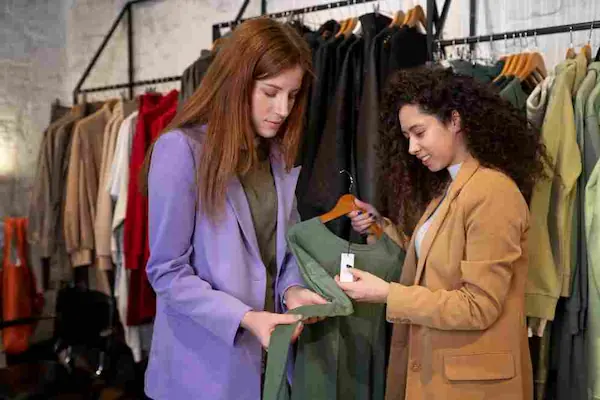
In today’s fashion landscape, it is entirely possible to acquire high-quality clothing at affordable prices without breaking the bank. Many brands have emerged that focus on offering affordable essentials at affordable prices, ensuring that everyone can build a stylish and durable wardrobe. Look for basic pieces like well-fitting t-shirts, classic button-down shirts, and versatile trousers that are crafted from quality fabrics yet remain budget-friendly. High-quality clothing brands such as Everlane and Uniqlo are known for their commitment to transparency, fair pricing, and sustainable practices, offering a range of stylish basics that stand the test of time.
In addition, stores like H&M Conscious and Zara are building collections that prioritise quality alongside style, featuring eco-conscious materials for everyday essentials at affordable prices. By investing in such affordable pieces, consumers can curate a wardrobe that is both chic and functional, allowing for seamless outfit creation without compromising on quality. Affordable excellent quality clothing not only caters to modern fashion needs but also aligns with a more sustainable approach, proving that style and responsibility can go hand in hand.
Men’s Clothing:
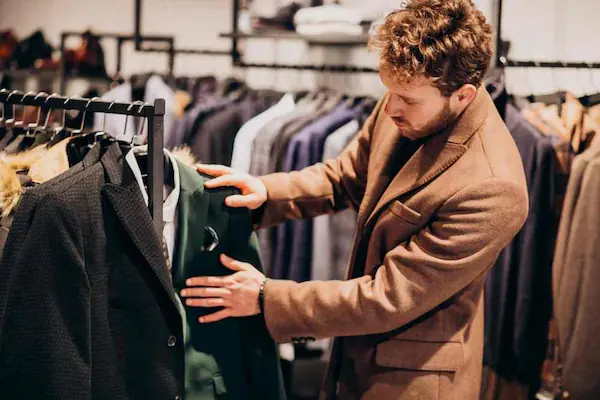
When it comes to men’s clothing, making high-quality choices can significantly elevate one’s overall appearance and confidence. Tailored suits, crafted from fine materials with expert craftsmanship, are essential for formal occasions and professional settings in men’s clothing. A well-fitted suit not only creates a sharp silhouette but also enhances comfort and mobility, allowing the wearer to feel their best. Choosing classic styles in timeless colours, such as navy or charcoal, ensures versatility and longevity in the wardrobe of men’s clothing.
In addition to suits, premium denim offers men a chance to combine style with durability. Opting for high-quality jeans made from sturdy fabrics with a perfect blend of stretch and structure allows for a polished yet casual look. Classic designs, such as straight-leg or slim-fit styles, can be easily dressed up or down, making them adaptable for various occasions. By focusing on these key pieces in men’s clothing, men can cultivate a refined wardrobe that balances traditional aesthetics with contemporary flair. Whether for business or casual outings, investing in high-quality men’s clothing sets the foundation for a sophisticated personal style.
Women’s Clothing:

In the realm of women’s fashion, combining style with high-quality materials is essential for creating a versatile and chic wardrobe. Women can elevate their everyday looks with carefully curated clothing items that reflect both sophistication and comfort. Key staples include tailored blouses, structured skirts, and well-fitted trousers that seamlessly transition from day to night. Investing in these timeless pieces ensures that women always have reliable options for any occasion.
When it comes to footwear, stylish and high-quality women’s shoes are a must-have. Classic options like leather ankle boots, elegant pumps, and versatile loafers not only enhance outfits but also provide comfort and durability. Prioritising premium materials, such as genuine leather or suede, ensures that these shoes withstand the test of time while remaining stylish.
For cooler weather, cozy sweaters add warmth and texture to a wardrobe. Cashmere sweaters, in particular, offer unparalleled softness and luxury, making them an ideal choice for layering. These timeless pieces can be effortlessly paired with jeans for a casual look or with tailored trousers for a more polished ensemble. By selecting high-quality clothing and footwear, women can establish a wardrobe that embodies both elegance and practicality, ensuring confidence in every outfit.
Understanding Clothing Quality:

Assessing stylish clothing quality is paramount for making informed purchasing decisions, especially in a market overflowing with options. To evaluate the quality of a garment, begin by examining the fabric. High-quality materials often feel substantial and have a good weight, while lower-quality fabrics may feel thin or cheap. Look for natural fibers such as cotton, wool, silk, and linen, which not only offer durability but also comfort and breathability.
Next, consider the construction of the garment for timeless elegance. Inspect the stitching; tight, even stitches with no loose threads indicate better craftsmanship. Pay attention to the seams; garments that are double-stitched offer additional strength. High-quality clothing often features details such as lined interiors and reinforced buttonholes that enhance longevity.
Understanding the importance of craftsmanship cannot be overstated. Skilled artisans take the time to ensure that each piece is thoughtfully constructed, resulting in clothing that embodies timeless elegance and stands the test of time. Investing in well-crafted garments supports ethical manufacturing practices and sustainable clothing fashion, ultimately contributing to a more responsible wardrobe. By recognizing the signs of quality, consumers can select clothing that marries style with substance, ensuring they make wise investments in their fashion choices.
The Importance of Personal Style in Fashion:
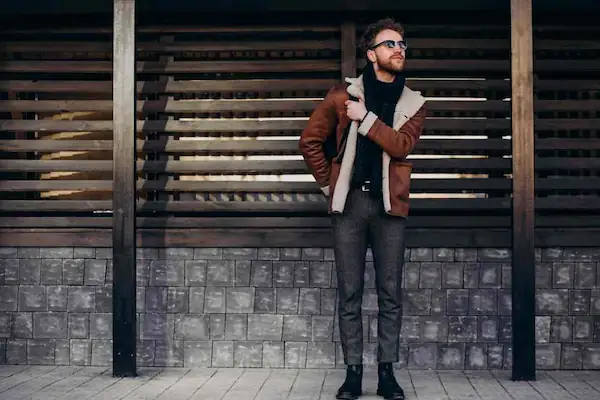
Developing a distinct fashion sense is a crucial aspect of personal expression, allowing individuals to showcase their identity through men’s clothing and other apparel. Establishing go-to brand preferences can further enhance this journey, as certain brands align more closely with one’s lifestyle and aesthetic. Whether drawn to minimalist designs or bold prints, finding brands that resonate can simplify the shopping experience and help maintain a refined wardrobe.
A dynamic and modern outfit requires balancing personal style with current fashion trends. While trends offer fresh inspiration, incorporating them into one’s wardrobe should feel organic rather than forced. Most brands can achieve this by selecting trending pieces that complement their established style, ensuring that their outfits remain authentic. The interplay between personal style and trends fosters a unique fashion identity that evolves yet retains its core essence, empowering individuals to feel confident and authentic in their clothing choices. This balance is crucial for any clothing brand looking to resonate with its audience.
High Quality Clothing for Every Occasion:

Versatility is a hallmark of high-quality clothing, enabling individuals to navigate various settings with ease and style. From casual outings to formal events, investing in timeless pieces allows for seamless transitions between different environments. For casual gatherings, brands like Everlane and Uniqlo offer stylish yet comfortable options, such as well-fitted tees, versatile chinos, and classic denim jackets, ensuring a polished appearance without sacrificing comfort.
When the occasion calls for a more formal attire, premium labels like Hugo Boss and Ralph Lauren excel in delivering sophisticated suits and dresses made from premium materials. These garments not only enhance one’s silhouette but also exude confidence and professionalism. For special occasions, renowned clothing brands like Aritzia and Reiss provide elegant evening wear that embodies both trendiness and class. By selecting clothing from brands known for their quality and versatility, individuals can build a comprehensive wardrobe that effortlessly adapts to their lifestyle, ensuring they are well-dressed for any scenario.
Eco-Friendly and Ethical Practices in Fashion:
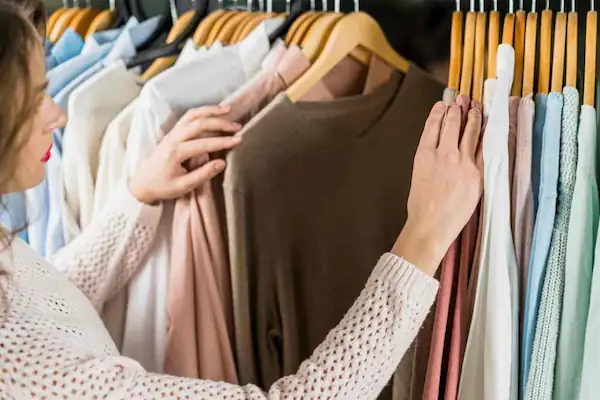
As consumers become increasingly aware of the environmental and social impacts of their fashion choices, the demand for clothing made from eco-friendly materials and produced under ethical conditions is on the rise. High quality clothing brands are stepping up to meet this need by incorporating sustainable fabrics such as organic cotton, Tencel, and recycled polyester into their collections, all while maintaining impeccable style. These materials not only reduce the ecological footprint of clothing production but also offer the same durability and comfort associated with traditional fabrics.
In addition to using sustainable materials, ensuring fair wages and safe working conditions for garment workers is vital to creating a responsible fashion world. Many clothing brands are now adopting transparent supply chain practices, allowing consumers to see where and how their clothes are made. This shift towards ethical production not only promotes social responsibility but also fosters consumer trust. By supporting brands that prioritise eco-friendly practices and fair treatment of workers, individuals can contribute to a more sustainable future in fashion, ensuring that their personal style aligns with their values.
The Fashion Industry’s Shift Towards Higher Quality:

In recent years, there has been a notable evolution within the fashion industry, with numerous clothing brands pivoting towards a focus on higher quality rather than fast fashion. This shift is largely driven by growing consumer demand for sustainability, longevity, and ethical practices. As buyers become more discerning and fashion forward, they are increasingly prioritising quality over quantity, leading brands to adopt more stringent standards in materials and craftsmanship. As a result, many fashion labels are shifting away from mass production towards smaller, curated collections that emphasise superior fabrication and design.
The rise of online shopping has significantly impacted this transformation. E-commerce platforms enable consumers to access a wider range of high-quality brands that prioritise craftsmanship from the comfort of their homes. Online retailers often provide detailed product descriptions, fabric information, and customer reviews, making it easier for shoppers to make informed decisions about their purchases. Moreover, the digital marketplace allows smaller, niche brands that focus on quality and sustainability to gain visibility alongside established fashion houses, further promoting a culture of conscious consumerism. This blend of high-quality offerings and accessibility in the online shopping realm is reshaping the fashion landscape, encouraging a deeper appreciation for well-made garments that stand the test of time.
The Appeal of Timeless Pieces and Understated Elegance:

The allure of understated elegance in fashion lies in its ability to convey sophistication without the need for flamboyance. Timeless pieces, characterised by their clean lines, classic cuts, and neutral palettes, serve as the foundation for a refined wardrobe. Investing in high-quality staples from a reputable clothing brand, such as a tailored blazer, a little black dress, or a crisp white shirt, allows individuals to effortlessly mix and match while maintaining a chic aesthetic. These garments not only transcend fleeting trends but also embody a sense of longevity, making them well worth the investment.
Building a timeless wardrobe requires a thoughtful approach to fashion, focusing on versatility and quality over quantity. Selecting pieces from a clothing brand that can be dressed up or down ensures a seamless transition from day to night. Accessories also play a crucial role in achieving understated elegance; a simple pair of stud earrings or a classic leather handbag can elevate even the most basic outfit. By curating a collection of high-quality, timeless pieces, individuals can enjoy a wardrobe that exudes elegance and confidence, allowing them to express their personal style with grace and ease.
The Impact of Clothing Prices on Quality:
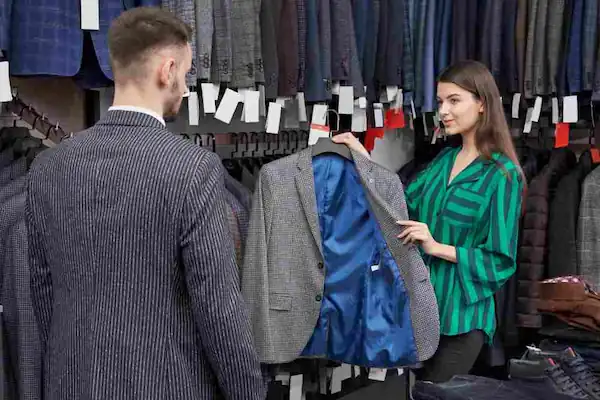
Understanding the correlation between price tags and clothing quality is crucial for consumers navigating the fashion landscape. Generally, higher-priced clothing tends to be associated with superior materials, craftsmanship, and ethical production practices. This relationship derives from the costs involved in sourcing high-quality fabrics, employing skilled artisans, and ensuring fair wages for workers throughout the supply chain. In contrast, lower-priced garments often result from mass production techniques that cut corners on quality to achieve affordability, leading to quicker wear and the need for replacement over time.
Several factors influence clothing prices in the fashion world, including brand reputation, manufacturing location, and material choice. Established fashion brands with a history of quality can command higher prices due to consumer trust and perceived value. Additionally, garments produced in countries with stricter labor laws and higher living standards generally incur greater costs, reflected in their retail prices. The choice of luxury or sustainable materials also raises production costs, highlighting the importance of investing in clothing that not only looks good but also lasts longer and aligns with ethical practices. As consumers become more aware of these factors, they are increasingly willing to pay more for durable pieces that reflect their values, fostering a market where quality is prioritized over mere affordability.
Trends and Innovations:

The landscape of high-quality fashion is continuously evolving as consumers become increasingly aware of sustainability and ethical production practices. Current trends highlight a growing preference for quality clothing brands that not only prioritize craftsmanship but also embrace innovative solutions in materials and processes, including recycled materials. These innovations involve the use of recycled fabrics and eco-friendly materials, such as organic cotton, Tencel, and vegan leather, which serve to reduce the fashion industry’s environmental impact. Moreover, advancements in technology have facilitated the development of high-performance textiles that enhance durability while maintaining a luxurious feel. Fashion brands are now experimenting with 3D knitting and zero-waste pattern making, allowing for more efficient production processes that minimize waste. The rise of customization and made-to-order garments also reflects a shift towards personalized fashion, where consumers can invest in unique pieces tailored to their preferences. As these trends continue to gain momentum, they underscore the importance of ethical clothing brand fashion not merely as a trend, but as a lasting movement towards a more sustainable and responsible industry.
Brands That Offers High Quality:

In the realm of high-quality fashion, a diverse array of brands offers high quality and provides consumers with options that not only exemplify superior craftsmanship but also cater to various personal styles and ethical considerations. The best clothing brands like Everlane and Reformation are celebrated for their commitment to transparency and sustainability, offering a range of timeless wardrobe staples made from ethically sourced materials. On the other hand, luxury brands such as Gucci and Prada continue to set the standard for exquisite design and craftsmanship, demonstrating that excellence can coexist with innovation.
The importance of this diverse range in fashion-forward clothing cannot be overstated; it allows individuals to express their unique styles while prioritising quality. With a broader selection, consumers can successfully navigate the market for high-quality pieces that resonate with their values and aesthetics. This variety also encourages healthy competition among brands, pushing them to improve their products and practices continually. As a result, shoppers can enjoy a flourishing marketplace where the emphasis is placed not only on fashion but also on responsible consumption and lasting quality.
Conclusion:
Investing in high-quality clothing is more than a mere indulgence; it’s a commitment to sustainability, longevity, and personal style. As the fashion industry evolves, the importance of quality over quantity becomes increasingly evident. High-quality brands set themselves apart by offering garments made from superior materials, meticulous craftsmanship, and timeless designs, ensuring that each piece is a worthwhile addition to one’s wardrobe. These investments not only provide better value over time but also contribute to a more sustainable fashion ecosystem, countering the environmental impact of fast fashion.
Looking ahead, the future of high-quality brands in the fashion world appears promising. As consumers become more conscious of their purchasing decisions, the demand for well-crafted, ethically produced clothing continues to grow. Innovations in sustainable materials and production methods will likely play a significant role in shaping the industry’s future, with brands prioritizing eco-friendly practices and transparent supply chains. Additionally, the rise of customization and made-to-order options will further personalize the shopping experience, allowing consumers to invest in unique, quality pieces that reflect their values and style.
In this evolving landscape, high-quality clothing brands are poised to lead the charge towards a more responsible and refined fashion industry. As they continue to innovate and uphold high standards, these brands will not only satisfy the desires of discerning shoppers but also set new benchmarks for quality and sustainability. The future of fashion lies in embracing quality, timeless elegance, and ethical practices, ensuring that every piece is a reflection of both personal style and conscientious living.